Sitework
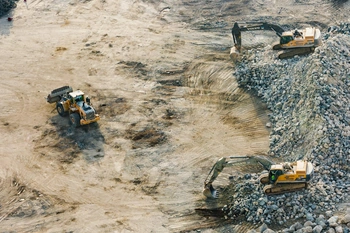
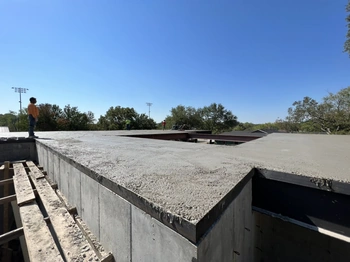
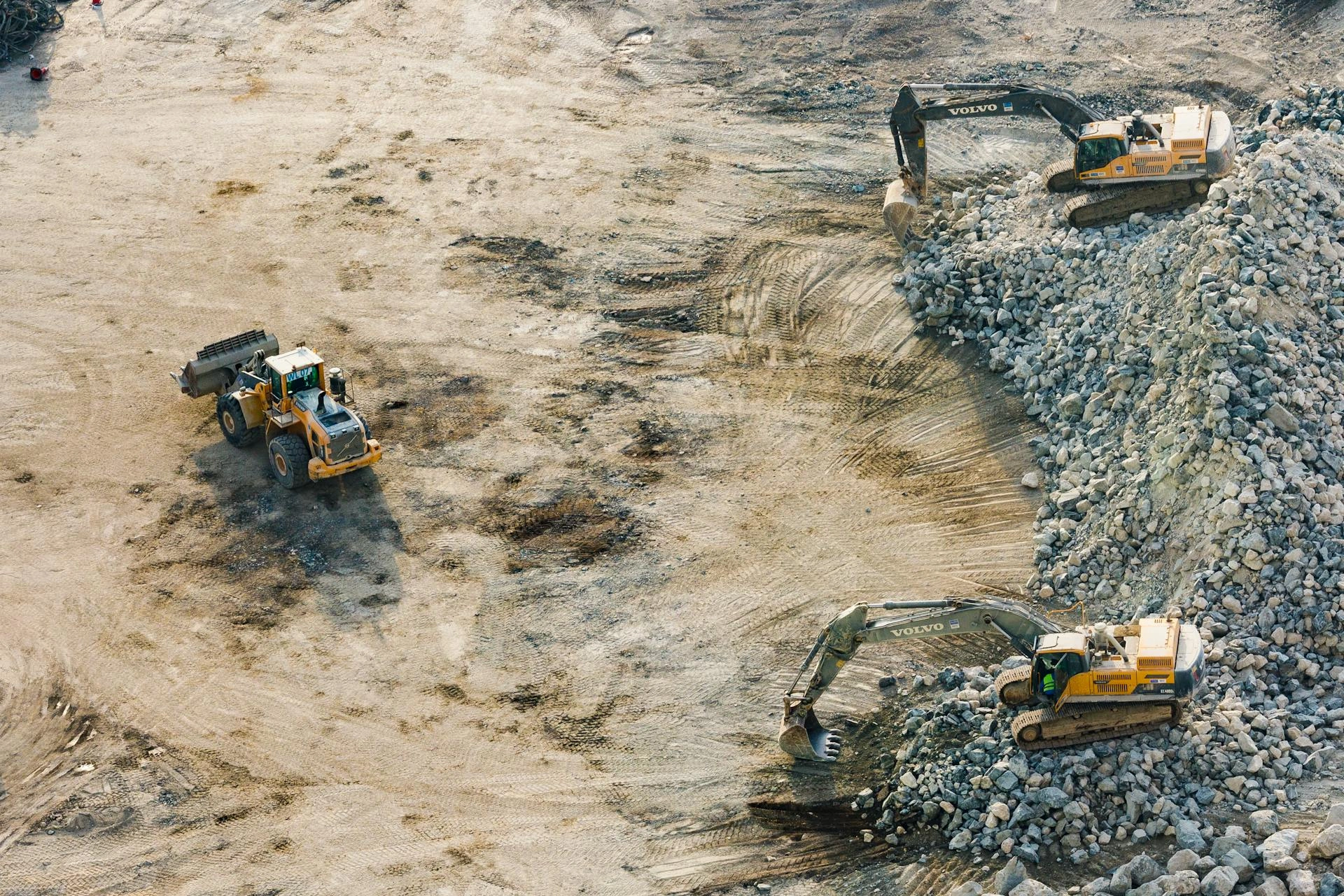
Sitework is the foundation of every commercial project, and it's where schedules are won or lost. We self-perform the full site preparation package - mass grading, precision excavation, and underground utilities - with one team that carries the project from raw ground through foundation-ready pads. In Central Texas, that means crews who read geotech reports, handle limestone shelf and expansive clay daily, and coordinate with COA permitting without slowing the schedule. One subcontract, one superintendent, zero coordination gaps between dirt, pipe, and concrete.
Earthwork
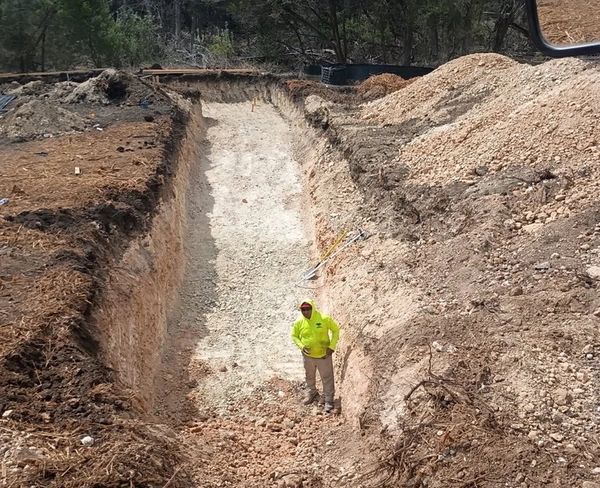
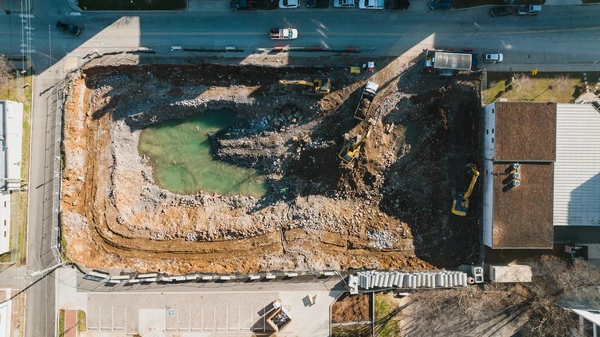
Earthwork is where schedules are won or lost. We coordinate mass grading, cut-and-fill, and site balancing with the same crew that carries the project through utilities and foundations - eliminating costly coordination gaps. Our crews have decades of experience in Central Texas soils and know how to read geotech reports, anticipate shrink-swell factors, and meet local drainage requirements without change orders.
Grading & Excavation
Grading and excavation is precision work - the difference between a project that flows and one that requires costly rework. We hold tight tolerances on building pads, footings, and finished grades. Central Texas geology demands discipline: limestone shelf can shift to rock mid-footing, and expansive clay requires careful moisture management. Our crews handle these conditions daily.
Utilities
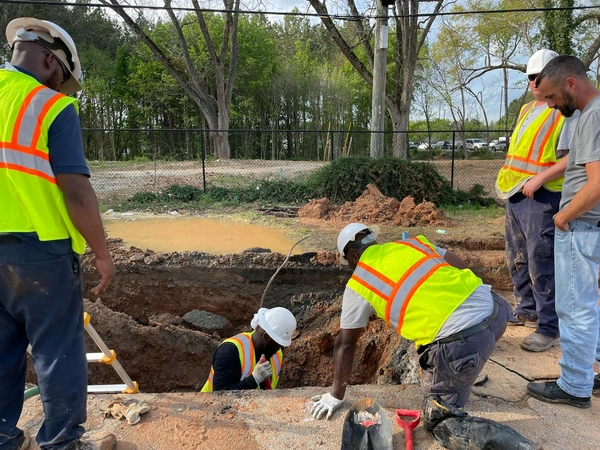
Underground utilities are one of the highest-conflict scopes on any commercial project. We review utility plans during bidding to flag conflicts and coordination gaps before they become field change orders. Our crews handle the full underground package - water, sanitary sewer, storm drain, dry utility conduit, and fire line - built to City of Austin standards and coordinated with our earthwork and foundation work from day one.
Ready to put our process to work on your project?
Request a bid and see how we simplify your next project.
Request a bid and see how we simplify your next project.
Common Questions
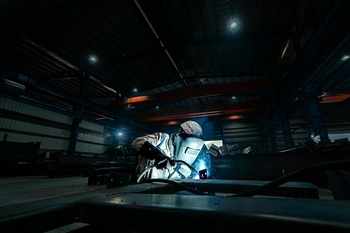
Yes. We're a single-source sub for everything from earthwork and utility tie-ins to the final steel erection. It cuts down on your coordination time and stops the finger-pointing between different trades.
Because we've been developers ourselves, we look for "plan holes" during the bid phase, not after we've started digging. If something comes up - like hitting rock or a utility conflict - we bring you a solution and a cost-impact report immediately so you can talk to your stakeholders.
We're locals. We know the City of Austin and surrounding municipality requirements inside and out. We build to pass inspection the first time because we know a "re-inspect" is just a fancy word for a delay.
Central Texas throws everything at you - Hill Country caliche and limestone on the west side, highly expansive Blackland Prairie clay to the east. Our crews have worked these conditions for decades. We read geotech reports carefully, anticipate shrink-swell factors in fill calculations, and adjust compaction methods in real time. When we hit rock or unexpected conditions, we bring the GC a solution and cost-impact report immediately rather than a work stoppage.
That's one of the first things we look at during the bid phase. We model cut-and-fill volumes early so we can match material across the project footprint and keep as much dirt on-site as possible. Fewer truck trips means a tighter schedule and lower disposal fees - a direct cost savings to the owner.
We hold tolerances to the engineered specifications on every project - typically within a tenth of a foot on building pads. That precision matters because a pad that's off-grade creates rework on foundations, utilities, and flatwork. We document compaction and proof-roll results so the GC and geotech have a clean record before foundations begin.
Rock is common across the Hill Country and north Austin submarkets. We assess rock conditions during bid review and price accordingly so there are no surprise change orders mid-project. When rock is encountered during structural excavation, our crews have the equipment and experience to handle controlled mechanical breaking without stopping the schedule.
We pot-hole and verify all existing utility locations before trenching in areas with known or suspected conflicts. If an undocumented line is encountered, we stop work at that location, notify the GC and utility owner immediately, and provide a documented resolution plan. Our pre-construction review process is specifically designed to catch these conflicts on the drawings before we're in the ground.
Yes. We install water service, sanitary sewer, storm drain, dry utility conduit, and fire line - the full underground package. Having one sub coordinate all underground work eliminates the scheduling conflicts and finger-pointing that happen when three or four different utility subs are trying to work in the same trench corridor.